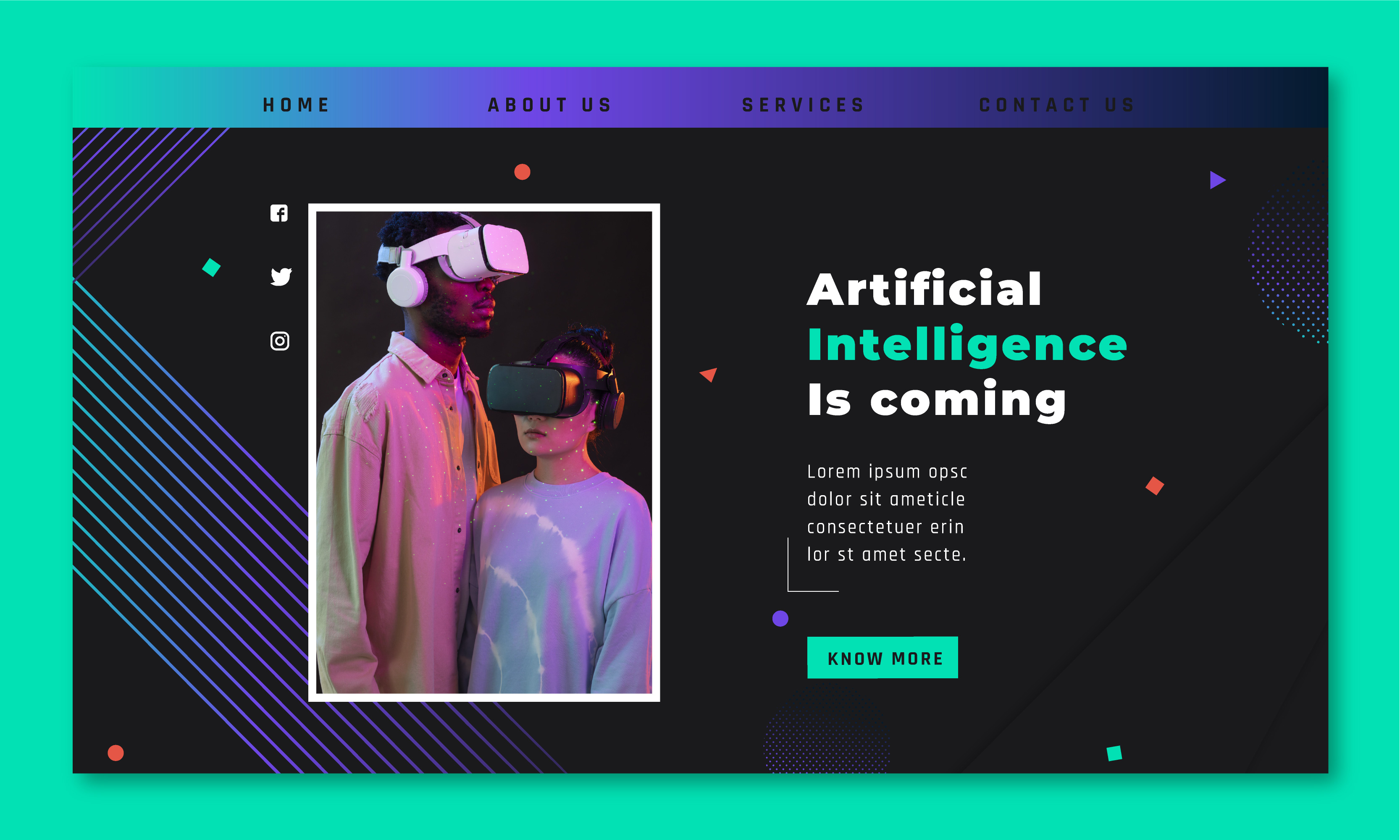
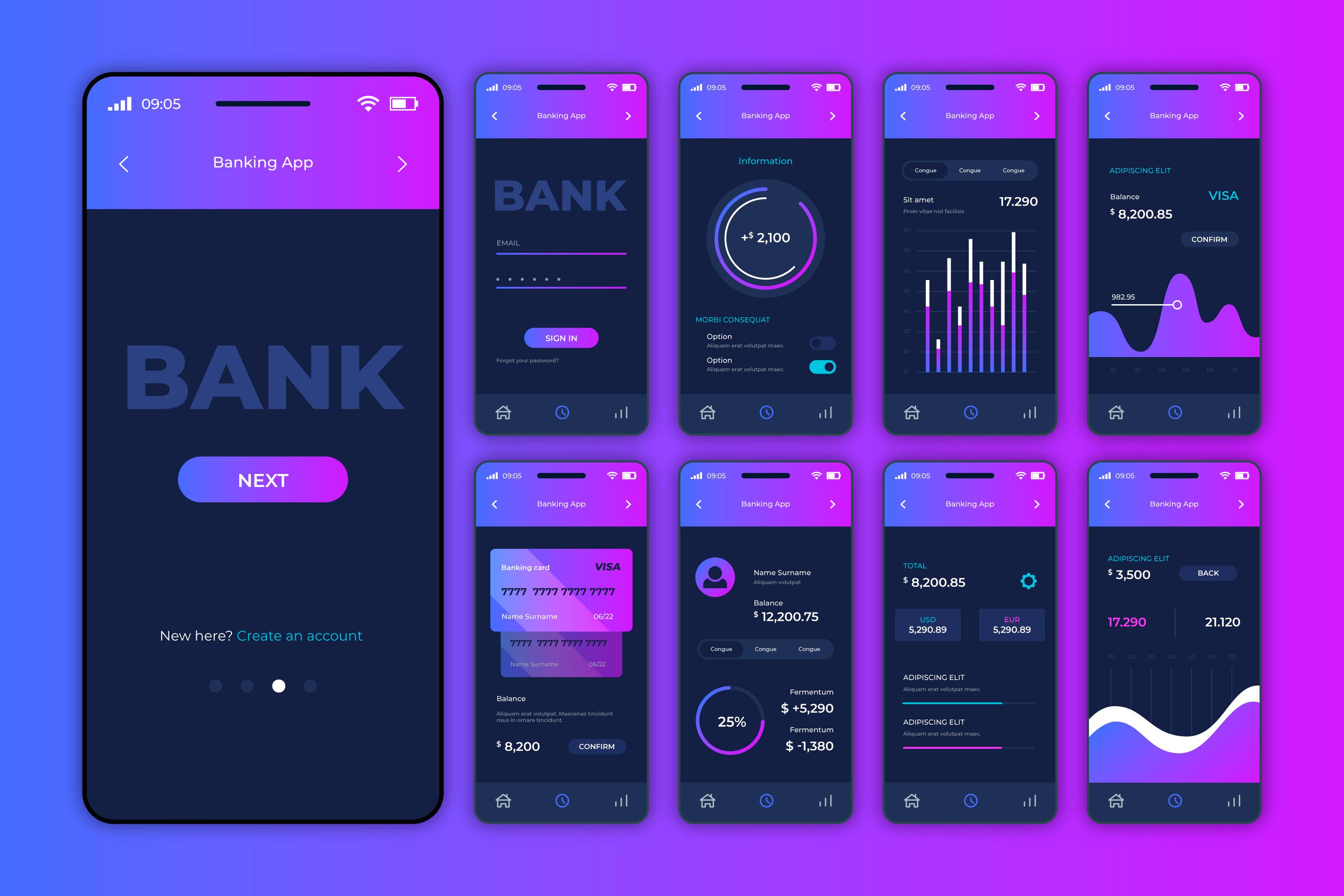
How SaaS Landing Pages Actually Convert
Most SaaS landing pages fail at the same 3 things. Here's what we've learned after building 50+ high-converting pages for AI and SaaS products.
Author:
Weabers Team

Most SaaS landing pages fail before the visitor scrolls.
We've built over 50 landing pages for AI and SaaS products. After that many projects, patterns emerge — not just what works, but what consistently kills conversion before a visitor even reaches the CTA.
The good news: the failures cluster around the same 3 mistakes. Fix them, and you're already ahead of most of your competitors.
Mistake #1: Leading with features, not outcomes
The most common pattern we see is a hero section that reads like a product spec sheet. "AI-powered workflow automation with real-time syncing and 200+ integrations."
Nobody buys a drill because they want a drill. They want a hole in the wall.
Your visitors arrive with a problem. They're not there to learn about your architecture — they're there to find out if you can solve what's keeping them up at night. The hero section has one job: make them feel understood in under 5 seconds.
The fix is straightforward: rewrite your headline around the outcome your best customers actually care about. Not what your product does — what their life looks like after they use it.
Before: "AI-powered workflow automation with real-time syncing"
After: "Your team ships twice as fast — without the coordination overhead"
Same product. Completely different conversion rate.
Mistake #2: Asking for commitment too early
A "Start Free Trial" button above the fold sounds aggressive because it is. You're asking a stranger to hand over their email — or worse, a credit card — before they've understood what you do or why they should trust you.
Think of your landing page as a conversation, not a form. The visitor needs to move through a sequence:
I have this problem → You understand my problem → You've solved it for people like me → I'm ready to act.
Each section of your page should advance this conversation. Social proof comes after the value prop, not before it. The CTA should appear after you've earned it — not as the opening line.
The highest-converting pages we've built follow a simple rule: earn the click before you ask for it.
Mistake #3: Designing for everyone
SaaS products often serve multiple personas — founders, marketing leads, engineers, enterprise buyers. The instinct is to mention all of them, cover all the use cases, and make sure no one feels excluded.
The result is a page that resonates deeply with nobody.
The best landing pages we've shipped are almost uncomfortably specific. They name a job title. They describe a situation. They call out a pain point so precisely that the right visitor thinks "how did they know?"
If you're worried about excluding people, build multiple landing pages. One for each persona. This isn't more work — it's smarter work. A focused page for "marketing teams at Series A SaaS companies" will outperform a general page every time.
What actually moves the needle
Beyond fixing the three mistakes above, here's what we've consistently seen improve conversion on SaaS landing pages:
Specificity in social proof. "Trusted by 500+ teams" is invisible. "Used by the marketing team at Notion, Linear, and Vercel" makes people stop and read. Name names. Use real metrics. Show the logo of the company your prospect admires.
Friction-matched CTAs. Not every CTA should be "Start Free Trial." Match the ask to where the visitor is in their decision. "See how it works" for cold traffic. "Start your trial" for warm traffic. "Talk to sales" for enterprise. The right ask at the right moment converts better than the loudest ask.
Visible pricing signals. You don't need to show a pricing table on the landing page. But you do need to signal that pricing exists and is reasonable. "Plans from $49/month" removes a major objection without committing to a full pricing page.
Page speed as a conversion variable. Every 100ms of load time costs you conversion rate. This isn't a technical concern — it's a revenue concern. We treat Core Web Vitals as a conversion optimization lever, not an IT checkbox.
The underlying principle
Every decision on a high-converting landing page comes back to one question: does this reduce friction or add it?
Friction isn't just form fields and load times. It's confusion. It's vague language. It's a page that makes the visitor work to understand why they should care.
The best SaaS landing pages feel effortless to read. That effortlessness is the result of enormous deliberate effort — in the copy, the layout, the hierarchy, and the proof. Nothing is there by accident.
If your current landing page isn't converting the way you'd like, the answer is almost never "add more features to the page." It's almost always "remove the friction that's standing between your visitor and the moment they decide to act."